The Rise of the Camera Phone: How We Started Snapping from Our Pockets
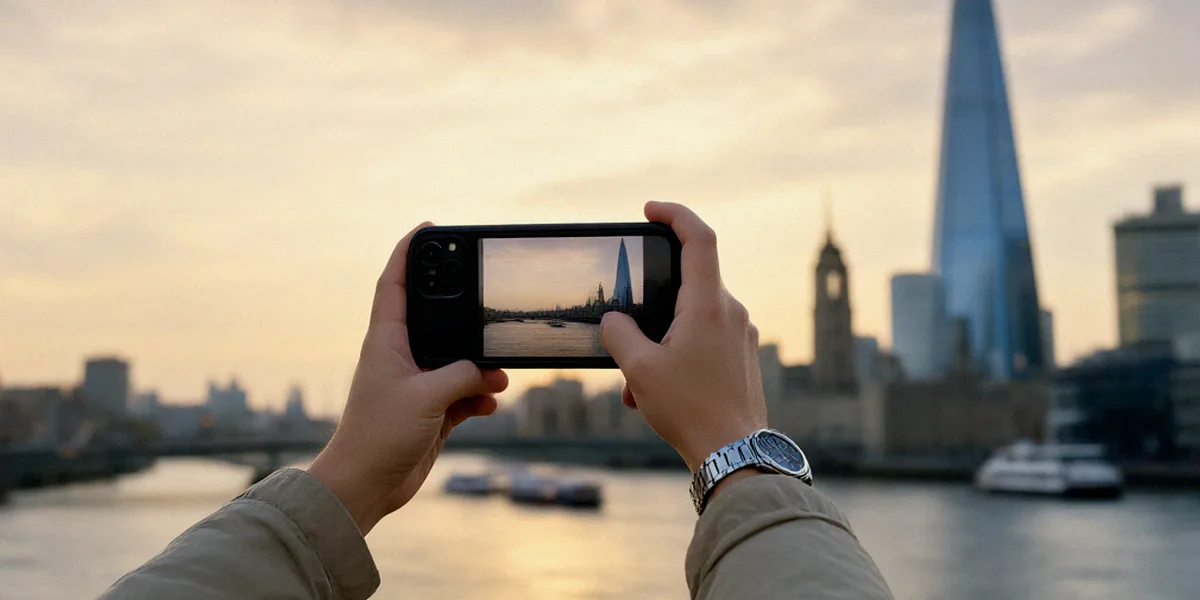
We still remember the first time we saw a photo taken on a mobile phone. It was a grainy, pixelated image of a mate’s kitchen, sent over a dodgy network connection, and it felt like pure magic. No one had to explain what it meant — we all understood instantly that the world had changed. A device that lived in our pocket could now capture a moment and share it. That single realisation set us on a path that leads directly to the camera in your smartphone today, and it’s a story we love to revisit on myt610.net.
Before the Camera Phone: A World Without Instant Snaps
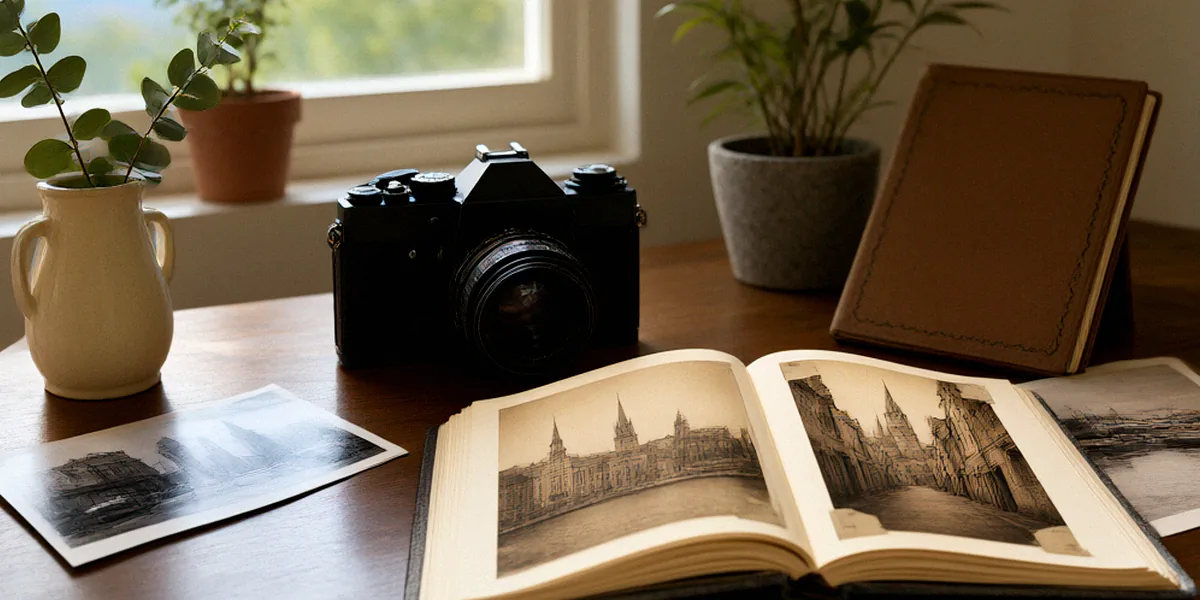
Cast your mind back to the late 1990s. Mobile phones were tools for one thing: communication. You used them to call people, send texts, and maybe play a game of Snake if you were lucky. Taking a photograph required a completely separate device — a digital camera that was clunky, expensive, and often needed its own bag. The idea of combining the two felt like science fiction, and yet the groundwork was already being laid by the UK’s obsession with SMS.
The Nokia 3310 and the Texting Revolution
The Nokia 3310, released in 2000, became the defining feature phone of its era. It wasn’t the first mobile phone, but it was the one that made texting a national pastime. With its legendary battery life, indestructible reputation, and that satisfying keypad, the 3310 turned SMS into a cultural phenomenon. We spent hours tapping out messages on T9 predictive text, inventing abbreviations, and waiting for that little envelope icon to confirm delivery. The phone was a communication device, full stop — but it proved that people wanted to do more than just talk, and manufacturers took note.
Why We Carried a Separate Digital Camera
In those years, if you wanted to capture a moment, you carried a digital camera. Early models were bulky, ran on AA batteries, and stored a handful of images on a memory card. They were brilliant in their own way, but they were a hassle. You’d have to remember to bring them, charge them, and later connect them to a computer to see the results. The idea of a phone that could do both jobs — and fit in your pocket — was irresistible. That gap between the convenience of a mobile phone and the capability of a camera is exactly what the first camera phones set out to close.
The First Camera Phones: A Blurry Revolution
When the first camera phones arrived, they were not impressive by modern standards. The images were low-resolution, the screens were tiny, and the whole experience was slow. But none of that mattered. The sheer novelty of pointing your phone at something and capturing it was enough to spark a revolution. We look back at those early devices with real affection, because they dared to do something that had never been done before.
Sharp J-SH04: The World’s First Camera Phone
The Sharp J-SH04, launched in Japan in 2000, is credited as the world’s first camera phone. It packed a 0.1-megapixel camera into a compact handset and was available only in Japan, which meant most UK users never saw one in the flesh. Even so, it deserves its place in history. The J-SH04 proved that a camera could be built into a phone without ruining the device, and it set the template that every manufacturer would follow. The photos it produced were blurry and small, but they were photos — and they were taken from a phone.
Nokia 7650 Brings Camera Phones to the UK
The Nokia 7650, released in 2002, was one of the first camera phones available in the UK. It arrived with a 0.3-megapixel camera, a colour display, and a sliding keypad cover that made it feel genuinely futuristic. For many people in Britain, the 7650 was their first encounter with the idea of a phone that could take pictures. It wasn’t cheap and it wasn’t pocketable in the way we’d expect today, but it was a statement. Suddenly, the camera phone was real, and it was sitting in UK shops.
Sony Ericsson T610: The Camera Phone Goes Mainstream
The Sony Ericsson T610 was released in 2003 and became one of the first widely adopted camera phones in the UK. It was the device that moved the camera phone from novelty to mainstream, and it did so with a combination of style, affordability, and a genuinely usable camera. For many people, the T610 was the first phone they owned that could take a picture worth keeping.
Design and Specs That Turned Heads
The T610 was a compact, candybar-style handset with a 128×160 colour screen and a 352×288 camera. Those numbers sound modest now, but in 2003 they were a genuine step forward. The camera produced images that were clear enough to share and small enough to send over the networks of the day. The design was sleek and understated, with a silver finish and a small screen that made it feel like a premium device without the premium price. It was the kind of phone that made people stop and ask what you were holding — and that’s exactly what a mainstream device needs to do.
Customising Your T610 with Themes and Ringtones
Part of the T610’s appeal was how personal it felt. Phone themes and ringtones became a genuine trend, and the T610 was at the centre of it. We spent hours downloading themes to change the look of the screen, and ringtones to make our phones sound like nobody else’s. It was the first time many of us felt that our phone was a reflection of our personality, and it was a small but important shift in how we thought about mobile devices. The T610 made customisation mainstream, and it’s a big part of why we still love it.
How Camera Phones Changed Our Lives Forever
The camera phone didn’t just change the devices we carried — it changed the way we lived. Spontaneous photos became normal, and the idea of capturing a moment without planning ahead became second nature. The UK’s 3G rollout in 2003 made sharing photos and browsing the web on phones more practical, and the rise of MMS (Multimedia Messaging Service) allowed UK users to send photos from their phones in the early 2000s. Together, these changes set the stage for everything that followed.
From MMS to Social Media: Sharing on the Go
MMS was the first real taste of sharing a photo from your phone. It was slow, it was expensive, and it often didn’t work perfectly — but it was thrilling. You could take a picture and send it to a friend within minutes, and that felt like a superpower. That same instinct to share on the go is what eventually grew into social media. The early camera phone was the first step on the road to the always-connected, always-sharing world we live in today.
The Slow Death of the Compact Camera
As camera phones improved, the standalone compact camera began to fade. Why carry a separate device when your phone could do the job? The convenience was impossible to ignore, and the quality gap narrowed with every generation. By the late 2000s, the compact camera was in decline, and the camera phone had become the default way to take a picture. It was a remarkable shift, and it happened faster than most people expected.
The Legacy of Early Camera Phones in Today’s Smartphones
Today’s multi-lens cameras owe everything to those first blurry snaps. The iPhone and Android devices we carry now are the direct descendants of the Sharp J-SH04, the Nokia 7650, and the Sony Ericsson T610. The evolution from feature phones to smartphones is a story of steady improvement, and every step built on the last. The early camera phones proved the concept, and the smartphone era perfected it.
From 0.3 Megapixels to 108 Megapixels
The jump from the 0.3-megapixel cameras of the early 2000s to the 108-megapixel sensors in today’s phones is staggering. But the principle is the same: point, capture, share. The difference is in the quality, the speed, and the sheer number of things a modern camera can do. Still, without the early devices, none of it would have happened. The first camera phones were the proof of concept that made the smartphone camera inevitable.
Why We Still Love Retro Mobile Phones
Retro mobile phones are now collector’s items, and we understand why. They represent a simpler time, when a phone did a few things well and felt like a real object in your hand. The Sony Ericsson T610, the Nokia 7650, and the Nokia 3310 all have a place in our hearts, and they’re a big part of why we write about them. Here’s a quick list of why we keep coming back to them:
- They were designed to be used, not just looked at, and the physical keypads felt satisfying.
- Customisation with themes and ringtones made them feel personal.
- They marked the beginning of the camera phone era, which changed everything.
- They’re affordable to collect and easy to find in good condition.
FAQ
What was the first camera phone ever made?
The Sharp J-SH04, launched in Japan in 2000, is credited as the world’s first camera phone. It was only available in Japan, so most UK users never saw one.
When did the Sony Ericsson T610 come out?
The Sony Ericsson T610 was released in 2003 and became one of the first widely adopted camera phones in the UK. Its 352×288 camera and stylish design made it a mainstream favourite.
What was the first camera phone available in the UK?
The Nokia 7650, released in 2002, was one of the first camera phones available in the UK. It had a 0.3-megapixel camera and a sliding keypad cover.
What was MMS and why did it matter?
MMS (Multimedia Messaging Service) allowed UK users to send photos from their phones in the early 2000s. It was the first practical way to share a picture on the go, and it paved the way for social media.
Why are retro mobile phones so popular now?
Retro mobile phones are collector’s items because they represent a simpler, more tactile era of technology. Devices like the Sony Ericsson T610 and Nokia 3310 are affordable to collect and carry a lot of nostalgia.
The camera phone turned us all into photographers, and it started with a few blurry snaps from a pocket-sized device. That first grainy photo still feels special, because it was the moment we realised our phones could do more than just talk. At myt610.net, we love keeping that story alive, one retro handset at a time.