Polyphonic Ringtones: A Brief History
Remember the days when your phone didn’t just ring—it performed a tiny, tinny symphony? Long before the gentle buzz of a smartphone on silent, our pockets were alive with the sound of bleeping pop songs, cartoon frogs, and that one friend whose phone always seemed to go off in the cinema. We’re taking a nostalgic look back at the golden age of polyphonic ringtones, from the earliest monophonic beeps to the chart-topping downloads that briefly made ringtones a genuine part of British pop culture.
The Dawn of Mobile Melodies: From Monophonic to Polyphonic
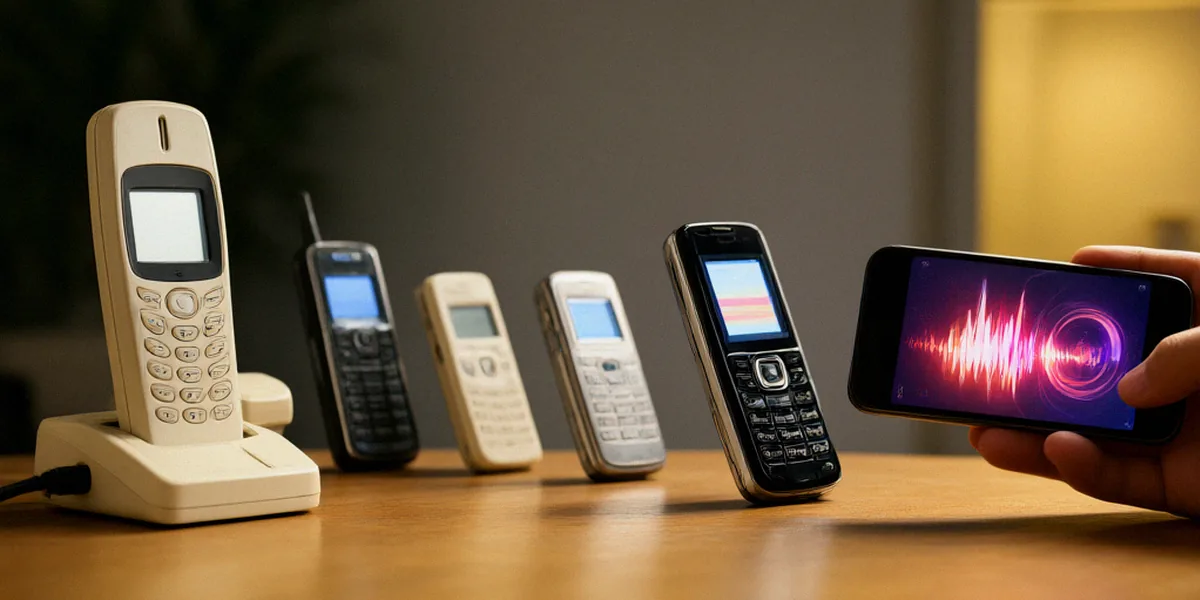
To understand polyphonic ringtones, we first have to appreciate how primitive their predecessors were. Early mobiles could manage exactly one note at a time, which limited them to simple, piercing melodies. It was charming in its own way, but it was also the audio equivalent of a nursery rhyme played on a single piano key.
Monophonic Mayhem: The One-Note Wonder
Monophonic ringtones were the default for most of the 1990s. Each phone could only play one tone at a time, so “melodies” were really just sequences of individual notes strung together. The Nokia 3310, launched in 2000, popularised monophonic ringtones on a massive scale in the UK. Its composer tool let users tap out their own tunes, and suddenly everyone knew someone who had programmed the EastEnders theme or a passable version of “Happy Birthday.” The sound was harsh, the volume was relentless, and we loved it.
The First Polyphonic Phones: A New Era
Polyphonic sound changed everything. Instead of one note at a time, a phone could now play several notes simultaneously, mimicking chords, basslines, and even rudimentary drum patterns. The first polyphonic phones arrived in the early 2000s, and the difference was immediately obvious—suddenly a ringtone could sound like a tiny band rather than a smoke alarm. This shift coincided with the boom in mobile ownership across the UK, and ringtones quickly became a way to stand out in a crowded school corridor or on a packed bus.
The Sony Ericsson T610 and the Polyphonic Revolution
If one handset defined the polyphonic era in Britain, it was the Sony Ericsson T610. Released in 2003, it became one of the most popular phones in the UK for its customisable themes and polyphonic ringtones. It wasn’t just a phone—it was a statement.
Why the T610 Was a Game-Changer
The T610 combined a sleek, minimalist design with a colour screen and, crucially, proper support for polyphonic audio. It felt grown-up compared to the chunky handsets that came before, yet it was playful enough to appeal to younger buyers. You could download new ringtones, swap in wallpapers, and change the entire look of the interface with themes. For many of us, the T610 was the first phone that felt genuinely personal.
Themes and Ringtones: Personalisation Takes Off
Personalisation was the T610’s secret weapon. Users could mix and match themes that changed the menu colours, icons, and background, then pair them with a polyphonic ringtone that matched their mood. Popular choices included chart hits, film themes, and the kind of novelty sounds that would later become a national obsession. If you owned a T610, you almost certainly spent at least one afternoon browsing WAP portals for the perfect combination.
How Polyphonic Ringtones Worked: Technology Behind the Tunes
Polyphonic ringtones weren’t recorded audio—they were generated in real time by tiny chips inside the phone. Understanding how they worked makes the whole era feel even more impressive.
FM Synthesis and MIDI: The Building Blocks
Most polyphonic phones used FM synthesis, a technique that generates sound by combining simple waveforms to create more complex tones. The instructions for what to play were usually stored as MIDI files, which describe notes, timing, and instruments rather than actual audio. This kept file sizes tiny—essential when phones had mere kilobytes of storage and downloads crawled over GPRS. The result was that unmistakable “polyphonic” timbre: bright, slightly artificial, and instantly recognisable.
The Role of Yamaha and Other Chipmakers
Yamaha produced many of the FM synthesis chips used in early polyphonic phones, enabling multiple simultaneous notes and giving handsets their characteristic sound. Other manufacturers developed their own solutions, but Yamaha’s involvement lent polyphonic ringtones a level of musical credibility. The chips supported a limited number of voices—often 16, 24, or 40 notes at once—and that constraint shaped the arrangements of every ringtone we downloaded.
The Cultural Impact: Ringtones as Status Symbols and Annoyances
By the mid-2000s, ringtones had escaped the phone entirely and become a cultural phenomenon. They were status symbols, icebreakers, and—depending on whose phone went off—a source of genuine public fury.
Crazy Frog and the Ringtone Charts
Nothing captured the madness quite like Crazy Frog. The animated amphibian’s “Axel F” ringtone topped the UK Singles Chart in 2005, highlighting the cultural impact of polyphonic ringtones. A novelty sound originally designed to sell downloads had become a genuine number one, complete with a music video and a merchandise empire. Whether you found it hilarious or unbearable, it proved that ringtones had crossed over into mainstream entertainment.
The Great Ringtone Backlash
Not everyone was thrilled. As polyphonic ringtones proliferated, so did complaints about noisy trains, buses, and offices. “Please silence your phone” became a standard announcement, and the phrase “sorry, that’s my phone” was heard in every lecture hall in the country. The backlash was real, and it set the stage for a cultural shift toward vibration and silent modes.
The Decline: Why Polyphonic Ringtones Faded Away
Like all good things in mobile tech, polyphonic ringtones had a shelf life. Two developments in particular pushed them toward obsolescence.
Truetones and the MP3 Revolution
Truetones—ringtones that used actual recorded audio, usually in MP3 or AAC format—sounded dramatically better than FM synthesis. As phones gained more memory and faster data connections, downloading a real song clip became practical. Why settle for a chirpy approximation when you could have the actual chorus? Truetones quickly replaced polyphonic tones as the premium option, and the distinctive polyphonic sound began to feel dated.
Smartphones and the Silent Mode Default
The rise of truetone ringtones and smartphones like the iPhone led to the decline of polyphonic ringtones by the late 2000s. The iPhone’s default marimba ringtone—clean, understated, and slightly smug—signalled the end of an era for feature phones. Smartphones encouraged silent mode, notifications replaced ringtones, and customising your sound became less about showing off and more about not annoying everyone around you.
Legacy: Polyphonic Ringtones in Retro Gaming and Nostalgia
Polyphonic ringtones may be obsolete, but their sound never fully disappeared. It migrated into other corners of culture, where it found a new generation of fans.
Chiptune and Retro Gaming Revival
The bright, synthetic tones of FM synthesis live on in chiptune music and retro-inspired game soundtracks. Artists deliberately recreate that limited-voice aesthetic because it evokes a specific time and place. For anyone who grew up with a T610 in their pocket, those sounds are an instant time machine.
Collecting and Preserving Polyphonic History
Collectors and enthusiasts now preserve polyphonic ringtones, themes, and the handsets that played them. Sites like myt610.net exist precisely because there’s an enduring appetite for this era. We archive ringtones, document themes, and celebrate the phones that made personalisation possible. It’s a niche hobby, but a passionate one.
FAQ
What is a polyphonic ringtone?
A polyphonic ringtone is a mobile phone ringtone that can play multiple notes simultaneously, usually generated by FM synthesis rather than recorded audio. This allowed phones to produce chords, basslines, and more complex melodies than earlier monophonic tones.
When was the Sony Ericsson T610 released?
The Sony Ericsson T610 was released in 2003 and became one of the most popular phones in the UK, largely thanks to its customisable themes and polyphonic ringtones.
Why did polyphonic ringtones disappear?
They were replaced by truetone ringtones using real recorded audio, and later by smartphones that encouraged silent mode and notification-based alerts. By the late 2000s, polyphonic tones had largely fallen out of fashion.
Which company made many of the chips used in polyphonic phones?
Yamaha produced many of the FM synthesis chips used in early polyphonic phones, enabling multiple simultaneous notes and shaping the distinctive sound of the era.
Did a ringtone ever top the UK charts?
Yes. Crazy Frog’s “Axel F” ringtone topped the UK Singles Chart in 2005, demonstrating just how deeply polyphonic ringtones had embedded themselves in British pop culture.
Polyphonic ringtones are long obsolete, replaced by truetones, streaming, and the quiet hum of silent mode. Yet for anyone who owned a Sony Ericsson T610, a Nokia 3310, or any of the countless feature phones in between, they remain a beloved symbol of early mobile personalisation—and of a simpler, noisier time when your phone didn’t just ring, it performed.