myt610 – Retro Mobile Phones and Sony Ericsson Nostalgia
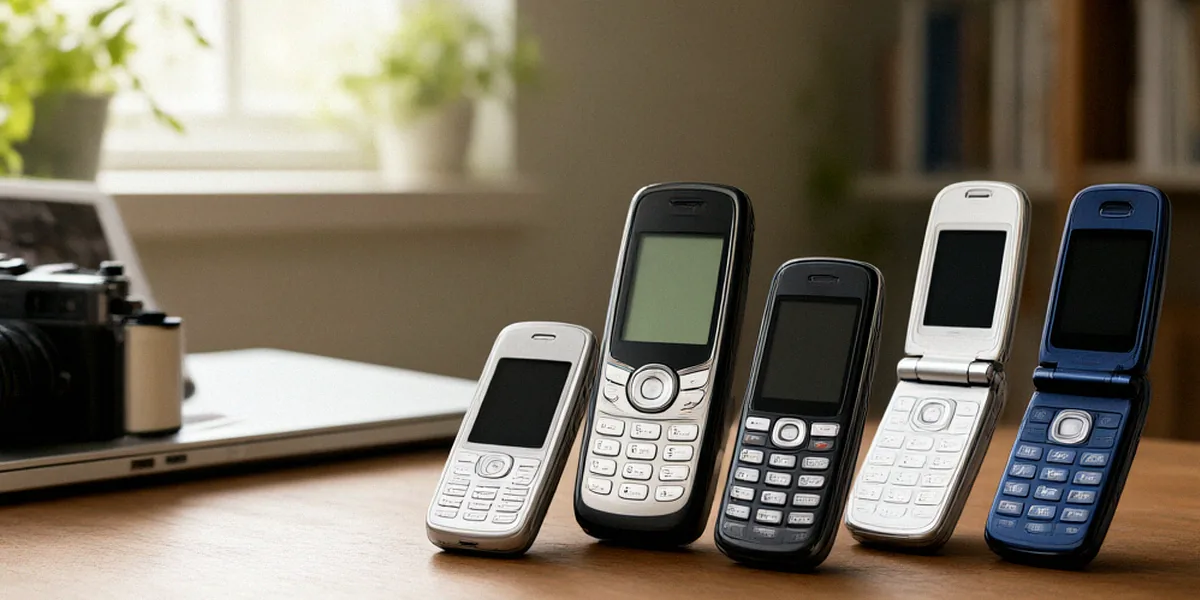
Remember the satisfying click of a T610 keypad or the thrill of downloading a polyphonic ringtone? That tiny burst of joy when a new theme finally loaded, the buzz of a Bluetooth file transfer in the school corridor, the way a phone felt genuinely personal because you had customised every pixel of it — these are the memories that built this blog. We started myt610 because we missed that era, and because the Sony Ericsson T610 still deserves a place in the conversation about retro mobile phones. Whether you are here to relive the early 2000s, hunt down a boxed handset for your collection, or simply work out why a 20-year-old feature phone still makes us smile, you are in the right place. Let us take a proper walk down memory lane, UK style.
Why the Sony Ericsson T610 Still Matters in Retro Mobile Phone Culture
The Sony Ericsson T610 was released in 2003, and it arrived at almost exactly the right moment. Camera phones were still a novelty, colour screens were becoming standard, and Bluetooth was starting to feel like genuine magic rather than a spec sheet curiosity. The T610 pulled all of this together in a package that looked and felt far more premium than its price suggested. It featured a 65k colour screen and Bluetooth, which sounds modest now but felt genuinely futuristic in 2003. More importantly, it was beautiful. The aluminium finish, the minimalist candybar shape, the subtle curves — this was a phone that looked like it had been designed rather than assembled.
For UK collectors, the T610 has become something of a gateway handset. It is affordable enough to buy on a whim, common enough to find at car boot sales, and iconic enough that owning one feels like owning a piece of design history. We have seen boxed examples go for surprisingly strong money on eBay, while loose handsets often turn up for a few pounds at the bottom of a box of old electronics. The T610 matters because it sits at the exact crossover point between the utilitarian phones of the late 1990s and the feature-packed multimedia devices of the mid-2000s. If you want to understand why people are still nostalgic about feature phones, the T610 is one of the best places to start.
The T610’s Launch and UK Network Deals
When the T610 launched, the UK mobile market was in full swing. UK networks like Vodafone, Orange, O2 and T-Mobile offered the T610 on pay-as-you-go and contract deals, which meant it was accessible to a huge range of customers. You could walk into a high street shop, pick the handset up on a modest monthly contract, or buy it outright with a PAYG SIM and top up as you went. That flexibility was a huge part of its success. The T610 was not a niche enthusiast phone — it was a mainstream handset that happened to be genuinely desirable.
Orange in particular had a strong relationship with Sony Ericsson during this period, and the T610 appeared in countless catalogue pages and newspaper adverts. We remember the launch marketing leaning heavily on the camera and the colour screen, positioning the T610 as a phone for people who wanted more than just calls and texts. In practice, that meant photo messaging, custom themes, and the beginnings of the ringtone economy that would define the mid-2000s. The T610 was one of the handsets that made all of this feel normal rather than exotic.
Design Details That Defined a Generation
The T610’s design is the reason it still gets discussed today. The aluminium front panel gave it a cool, metallic feel that stood out against the plastic-heavy competition. The screen was small by modern standards but bright and colourful, and the 65k colour display made wallpapers and themes genuinely worth having. The keypad was a joy to use, with tactile buttons that made T9 texting feel fast and satisfying. Even the joystick, which could be finicky over time, added to the sense that this was a phone designed with care.
We would argue that the T610 is one of the last great candybar designs before phones started to chase larger screens and slimmer profiles. It feels solid in the hand, it has a pleasing weight, and it does not try too hard. The camera was basic, the internal memory was tiny, and the browser was slow, but none of that mattered. The T610 was about the experience of using a phone that felt personal. That is why collectors still seek it out, and why so many people who owned one back in the day still speak about it with genuine affection.
T610 vs T630: What Changed?
The T630 arrived as a follow-up to the T610, and the differences are worth knowing if you are buying one today. The T630 swapped the aluminium front for a different finish, moved to a TFT screen, and refined some of the design details. In practice, the two phones are very similar, and many people would struggle to tell them apart at a glance. The T610 is generally considered the more iconic of the two, partly because it came first and partly because the aluminium finish has aged so well.
If you are collecting, both are worth owning. The T610 has the stronger nostalgia pull, while the T630 offers a slightly more refined experience with a better screen. Prices are broadly similar, though boxed T610s tend to command a premium because of their status as the definitive model. Our advice is simple: buy the one that means more to you. If you owned a T610 back in 2003, that is the one you will want on your shelf.
Collecting the T610 Today: Prices and Pitfalls
Collecting a T610 in the UK is generally straightforward, but there are a few things to watch out for. Prices vary wildly depending on condition, accessories, and whether the original box is included. A loose, working handset might set you back £10 to £25, while a boxed example with manuals and a charger can reach £60 or more. Limited editions and unusual colourways can push prices higher still. The main pitfall is battery corrosion, which is common on handsets that have been stored in a loft or garage for years.
We always recommend asking for photos of the battery compartment before buying online. If the contacts are green or crusty, you are looking at a restoration project rather than a ready-to-use phone. Chargers are another issue, as the T610 uses an older connector that is not compatible with modern USB cables. Fortunately, third-party chargers are still available, and many collectors keep a stash of spares. The joystick is the other weak point — if it feels loose or unresponsive, factor in the cost of a replacement or a repair.
Phone Themes, Ringtones and Customisation: The Soul of Feature Phones
If the T610 was the hardware, customisation was the soul. The ability to change your theme, your wallpaper, your ringtone, and even your startup sound turned a mass-produced device into something that felt like yours. This was the era of phone personalisation, and it was genuinely creative. People made their own themes, shared them on forums, and traded ringtones via Bluetooth and infrared. It was a hobby, a social activity, and a form of self-expression all at once.
We miss that. Modern smartphones are powerful, but they are also homogenised. Everyone’s home screen looks broadly the same, and customisation is often limited to changing a wallpaper or rearranging some icons. In the feature phone era, customisation was the point. You could spend hours tweaking a theme, hunting down the perfect polyphonic ringtone, or resizing a wallpaper so it fit the screen properly. That effort made the result feel more meaningful.
How We Made Themes for Sony Ericsson Phones
Sony Ericsson’s Themes Creator was the tool of choice for anyone who wanted to build their own theme. It let you define colours, backgrounds, highlights, and even the appearance of the menu system. You could start from scratch or edit an existing theme, and the software was approachable enough that beginners could get decent results. We spent many evenings building themes around favourite bands, films, and games, then sharing them with friends via Bluetooth.
Esato was a popular UK-based forum for Sony Ericsson themes and ringtones, and it became a hub for the whole scene. Members would post their creations, request themes, and offer feedback. It was a genuinely supportive community, and it kept the customisation scene alive long after the mainstream had moved on. If you wanted a theme for a specific model, chances are someone on Esato had already made one. The forum is quieter now, but the archives are still a goldmine for anyone who wants to see what people were creating in the mid-2000s.
Polyphonic Ringtones: From Monophonic to MP3
Ringtones were big business. Monophonic ringtones gave way to polyphonic ringtones, which allowed multiple notes to play at once and made it possible to approximate real songs. The T610 supported polyphonic ringtones, and downloading them became a national obsession. You could buy them from your network, from third-party services, or make your own using tools like Nokia Composer. The latter was surprisingly powerful once you got the hang of it, and it gave people a way to create ringtones without paying a premium.
The jump to MP3 ringtones changed everything again, allowing actual songs to be used as ringtones. That shift coincided with the rise of the Walkman phone era, and it made the whole ringtone economy feel less necessary. Why pay for a polyphonic version of a song when you could just use the real thing? Still, there is something charming about polyphonic ringtones that we cannot quite shake. They are unmistakably of their time, and hearing one today is an instant nostalgia trigger.
The Rise of Bluetooth Sharing in UK Schoolyards
Bluetooth sharing was a phenomenon. In UK schoolyards, it became a social currency. You would pair your phone with a friend’s, send over a theme or a ringtone, and feel like you had just performed a minor miracle. The range was limited, the transfer speeds were slow, and the whole process could be disrupted by interference, but none of that mattered. Bluetooth made sharing personal and immediate in a way that the internet could not match at the time.
We remember the etiquette of it all — asking permission before pairing, naming your phone something amusing so it showed up in the list, and the mild panic when someone tried to send you a file you did not want. Bluetooth was also how many of us discovered new music, new games, and new themes. It was a peer-to-peer network long before that phrase became commonplace, and it shaped how a generation thought about sharing content.
Where to Find Retro Ringtones and Themes Today
Finding retro ringtones and themes today takes a bit of effort, but it is far from impossible. Archive sites, fan forums, and dedicated communities have preserved a huge amount of content, and you can still download themes for the T610 and other Sony Ericsson models. Esato remains a useful reference, even if it is less active than it once was. YouTube is another surprisingly good source, with creators uploading ringtone compilations and tutorials for making your own.
For themes, your best bet is to look for archived versions of old fan sites or join a retro tech community where members share files. Some collectors have built impressive libraries of original content, and they are often happy to help. If you are feeling creative, you can also make your own themes using modern tools and adapt them for older devices. The scene is smaller than it was, but it is still alive, and that is something worth celebrating.
The UK’s Love Affair with Feature Phones: Networks, High Streets and Memories
The UK’s relationship with feature phones was shaped by the high street. Networks competed aggressively, retailers pushed handsets hard, and pay-as-you-go made mobile phones accessible to almost everyone. The T610 was a staple of this world. It sat on shelves in Carphone Warehouse and Phones 4u, appeared in network catalogues, and was advertised in newspapers and magazines. For a lot of people, it was the phone they bought when they upgraded from something basic and wanted something that felt genuinely modern.
We look back on that era with real fondness. The high street was full of phone shops, each one trying to outdo the others with better deals and flashier displays. You could walk in, handle the handsets, ask questions, and walk out with a new phone and a contract. It was a tactile, social experience that online shopping has largely replaced. The T610 was part of that culture, and its success was built on it.
Network Exclusives and Pay-As-You-Go Culture
Network exclusives were a big deal in the early 2000s. UK networks like Vodafone, Orange, O2 and T-Mobile offered the T610 on pay-as-you-go and contract deals, and each network tried to differentiate itself with exclusive colours, bundles, or tariffs. Pay-as-you-go was particularly important because it lowered the barrier to entry. You could buy a handset outright, top up when you needed to, and avoid being tied into a long contract. That flexibility made feature phones accessible to teenagers, students, and anyone on a tight budget.
We remember the rituals of pay-as-you-go — buying top-up vouchers from the corner shop, checking your balance with a short code, and rationing your texts towards the end of the month. It was a different way of thinking about mobile phones, and it shaped how people used them. The T610 fitted perfectly into that culture because it was affordable, desirable, and easy to live with.
Carphone Warehouse and Phones 4u: The High Street Experience
Carphone Warehouse and Phones 4u were key UK high street retailers for feature phones, and they played a huge role in making handsets like the T610 accessible to the masses. Their stores were everywhere, their staff were trained to sell, and their deals were often genuinely competitive. We spent many Saturday afternoons browsing the displays, comparing tariffs, and dreaming about upgrades we could not quite afford.
The experience of buying a phone in person was part of the appeal. You could hold the handset, try the keypad, and see the screen for yourself. Staff would demonstrate features, set up your SIM, and transfer your contacts. It was a service that online retailers struggle to replicate, and it is one of the reasons why the decline of the high street phone shop feels like such a loss. Carphone Warehouse and Phones 4u were institutions, and the T610 was one of the handsets that defined them.
Text Messaging and T9 in the UK
T9 predictive text was a revelation. It made texting faster and more intuitive, and it became second nature to anyone who grew up with a feature phone. The UK embraced texting enthusiastically, and the T610’s keypad was well suited to it. We learned to type without looking, to trust the predictions, and to work around the occasional embarrassing autocorrect fail. Texting became a language of its own, complete with abbreviations and emoticons that feel quaint today.
We would argue that T9 texting was a genuine skill, and one that has been lost with the rise of touchscreen keyboards. There was a rhythm to it, a satisfaction in firing off a message quickly and accurately. The T610 was a great phone for texting, and it is one of the reasons why so many people remember it so fondly.
The Shift to Smartphones and What We Lost
The shift to smartphones changed everything. Suddenly, phones were about apps, internet access, and endless notifications. Feature phones were left behind, and the culture that surrounded them faded. We lost the tactile joy of a physical keypad, the creativity of customisation, and the simplicity of a device that did a few things well. We also lost the sense of ownership that came with a phone you had personalised from top to bottom.
That is not to say smartphones are bad. They are extraordinary tools, and we use them every day. But something was lost in the transition, and that is part of why retro mobile phones have such a strong pull. The T610 represents a different way of thinking about technology — one that valued personality, tactility, and a bit of effort. We think that is worth remembering.
Collecting Retro Mobile Phones in the UK: Our Team’s Tips and Finds
Collecting retro mobile phones in the UK is a genuinely rewarding hobby. The market is friendly, the prices are often reasonable, and there is a strong community of like-minded people. We have built up a decent collection over the years, and we have learned a lot along the way. Whether you are just starting out or looking to expand an existing collection, there are plenty of opportunities to find interesting handsets without breaking the bank.
The key is to be patient and to know where to look. Car boot sales, charity shops, and online marketplaces are all good sources, and you never know what you might find. We have picked up working T610s for a few pounds, boxed examples for under £50, and accessories for next to nothing. The thrill of the hunt is part of the fun, and it is amazing what turns up when you least expect it.
Where to Find Retro Phones in the UK
There are plenty of places to find retro phones in the UK. Here are some of our favourites:
- Car boot sales — often the cheapest source, with handsets turning up in boxes of miscellaneous electronics.
- Charity shops — less common, but you occasionally find phones donated alongside other old tech.
- eBay and Facebook Marketplace — the widest selection, though prices can be higher for desirable models.
- Retro tech fairs and events — a great way to meet other collectors and find rare items.
- Online forums and communities — members often sell or trade handsets, and you can benefit from their expertise.
We would recommend checking car boot sales early in the morning, as the best items tend to go quickly. Charity shops are worth visiting regularly, as stock changes constantly. Online marketplaces are convenient, but always ask questions about condition and check photos carefully before buying.
Testing and Restoring a Sony Ericsson T610
When you find a T610, the first thing to do is check the battery compartment for corrosion. If the contacts are clean, you are in good shape. If they are not, you may be able to clean them with a bit of vinegar and a cotton bud, but severe corrosion can be a dealbreaker. Next, check the joystick for responsiveness and the keypad for stuck or missing buttons. The screen should be free of dead pixels and excessive scratching.
If the phone powers on, test the basics — calls, texts, Bluetooth, and the camera. If it does not power on, try a different charger before assuming the worst. Many T610s simply need a new battery, and replacements are still available online. Restoring a T610 is usually a case of cleaning it up, replacing the battery, and maybe swapping the housing if it is badly worn. We find the process genuinely satisfying, and it is a great way to bring a piece of history back to life.
Storage and Display Ideas for Your Collection
How you store and display your collection matters. Direct sunlight can fade screens and damage plastics, so keep your phones away from windows. Humidity is another enemy, particularly for battery contacts, so a dry environment is essential. We use small display stands and shelving units to show off our favourite handsets, and we keep the rest in padded boxes with silica gel packets to absorb moisture.
If you have boxed examples, keep them boxed. Original packaging adds value and protects the handset from dust and damage. For loose phones, consider a display case with adjustable shelves so you can rearrange your collection as it grows. We also recommend keeping a note of what you have, where you got it, and any restoration work you have done. It is a nice way to document your collection and track its history.
Joining UK Retro Tech Communities
Joining a community is one of the best things you can do as a collector. The Centre for Computing History in Cambridge hosts retro tech events and exhibits, and it is a fantastic place to meet other enthusiasts and see historic hardware up close. The museum has a strong collection of computing and gaming history, and its events often include hands-on sessions and talks.
Online communities are equally valuable. Forums, Discord servers, and social media groups dedicated to retro tech are full of knowledgeable people who are happy to share advice and trade handsets. We have learned a huge amount from other collectors, and we have made some genuine friends along the way. If you are serious about collecting, getting involved in a community is essential.
Sony Ericsson Nostalgia: More Than Just the T610
The T610 is the headline act, but Sony Ericsson’s story is much bigger than one phone. The brand produced a string of memorable handsets throughout the 2000s, each with its own personality and its own fanbase. From the Walkman phones to the Cyber-shot models, Sony Ericsson carved out a reputation for design, innovation, and a willingness to try things that other manufacturers would not.
We look back on the brand with real affection. Sony Ericsson phones were never boring. They had character, and they appealed to people who wanted something a bit different from the norm. That is why the brand still has a cult following today, and why collectors are still hunting down their favourite models.
The Walkman and Cyber-shot Phone Eras
The Walkman phone era was a high point for Sony Ericsson. The W800i Walkman phone combined excellent music playback with a genuinely desirable design, and it became a must-have for anyone who cared about sound quality on the move. It was followed by a string of Walkman models, each one refining the formula and adding new features. The Walkman branding gave Sony Ericsson a unique selling point, and it helped the brand stand out in a crowded market.
The Cyber-shot phones were equally important. The K750i was a standout model, offering a genuinely good camera in a compact package. It was followed by the K800i and other Cyber-shot models, which pushed mobile photography forward at a time when most phones still had basic cameras. These handsets are still popular with collectors today, and they represent some of the best feature phones ever made.
Sony Ericsson’s Symbian and UIQ Experiments
Sony Ericsson also experimented with Symbian and UIQ, producing handsets like the P800 and P900. These were ambitious devices, combining phone functionality with PDA features and a touchscreen interface. They were not for everyone, but they showed that Sony Ericsson was willing to take risks and push boundaries. The P800 in particular is remembered fondly by enthusiasts, and it remains a sought-after collector’s item.
These experiments did not always succeed commercially, but they helped shape the direction of the industry. They also gave Sony Ericsson a reputation for innovation, which is part of why the brand is still remembered so fondly. If you are interested in the history of mobile technology, these handsets are well worth exploring.
Why the Brand Still Has a Cult Following
Sony Ericsson’s cult following is easy to understand. The brand made phones that people genuinely loved, and that affection has not faded with time. There is something about the design language, the attention to detail, and the willingness to try new things that resonates with collectors today. The merger with Sony and the eventual demise of the brand only added to the nostalgia, turning Sony Ericsson into a symbol of a lost era.
We think the brand’s legacy is secure. The T610, the Walkman phones, the Cyber-shot models — these are handsets that people still talk about, still collect, and still use. That is a remarkable achievement, and it is why we keep coming back to Sony Ericsson on this blog.
Our Favourite Sony Ericsson Accessories
Accessories were a big part of the Sony Ericsson experience. Here are some of our favourites:
- The HBH-60 Bluetooth headset — chunky by modern standards, but genuinely futuristic in its day.
- The MMC memory cards — essential for storing music, photos, and themes on later models.
- The Sony Ericsson desk stand — a simple but stylish way to charge and display your phone.
- The carrying pouches and cases — often branded and surprisingly well made.
- The wired headsets — basic, but they did the job and sounded decent for the time.
We still use some of these accessories with our collection, and they add to the experience of owning a Sony Ericsson handset. If you are building a collection, accessories are worth seeking out, as they complete the package and often cost very little.
FAQ
When was the Sony Ericsson T610 released?
The Sony Ericsson T610 was released in 2003. It featured a 65k colour screen and Bluetooth, and it became one of the most iconic feature phones of the early 2000s.
Can I still use a Sony Ericsson T610 in the UK today?
Technically, yes, but it depends on your network. The T610 supports 2G GSM, which is still available in some areas, but coverage is being phased out. You may be able to make calls and send texts, but data services will be very limited. Many collectors use their T610s for display or for nostalgia rather than as a daily driver.
Where can I find themes and ringtones for retro Sony Ericsson phones?
Esato was a popular UK-based forum for Sony Ericsson themes and ringtones, and its archives are still a useful resource. You can also find content on retro tech forums, archive sites, and YouTube. Some collectors have built large libraries and are happy to share files with others.
How much should I pay for a boxed Sony Ericsson T610?
Prices vary depending on condition and completeness. A boxed example with manuals and a charger typically sells for £40 to £80, though rare colourways or mint condition examples can fetch more. Loose handsets are much cheaper, often £10 to £25.
Are there retro tech events in the UK worth visiting?
Yes. The Centre for Computing History in Cambridge hosts retro tech events and exhibits, and it is a great place to see historic hardware and meet other enthusiasts. Other events take place around the country throughout the year, so it is worth checking local listings and community forums.
We hope this guide has brought back some happy memories and given you a few ideas for your own collection. The T610 and the wider Sony Ericsson range represent a genuinely special era in mobile technology, and we are proud to keep that spirit alive here at myt610. If you have a story to share, a favourite theme, or a photo of your collection, we would love to hear from you. Dig out your old T610, charge it up if you can, and join the conversation in the comments below. Let us keep the retro mobile spirit alive together.
Latest articles
- Where to Buy Retro Handsets
 Where to Buy Retro Handsets: Our Guide to Finding Classic Phones There’s a particular thrill that never gets old: the moment you… Read more: Where to Buy Retro Handsets
- The Rise of the Camera Phone
 The Rise of the Camera Phone: How We Started Snapping from Our Pockets We still remember the first time we saw a… Read more: The Rise of the Camera Phone
- Sony Ericsson T610: A Design Classic
 Sony Ericsson T610: A Design Classic We still remember the first time we slid a T610 out of its box. It was… Read more: Sony Ericsson T610: A Design Classic
- Sony Ericsson’s Greatest Hits
 Sony Ericsson’s Greatest Hits: The Retro Mobile Phones That Defined an Era If you were a teenager in Britain in the early… Read more: Sony Ericsson’s Greatest Hits
- Reviving Old Phone Batteries Safely
 Reviving Old Phone Batteries Safely: Bringing Your Retro Mobile Back to Life Last month, while clearing out a cluttered desk drawer, we… Read more: Reviving Old Phone Batteries Safely
- Polyphonic Ringtones: A Brief History
 Polyphonic Ringtones: A Brief History Remember the days when your phone didn’t just ring—it performed a tiny, tinny symphony? Long before the… Read more: Polyphonic Ringtones: A Brief History