Reviving Old Phone Batteries Safely: Bringing Your Retro Mobile Back to Life
Last month, while clearing out a cluttered desk drawer, we stumbled across a dusty Sony Ericsson T610 wrapped in an old lanyard. The screen was scratched, the keypad had that unmistakable early-2000s click, and the battery was, predictably, completely flat. We wondered whether it could ever power on again — and that single question sent us down a rabbit hole of battery chemistry, safety warnings, and surprisingly satisfying revival attempts. If you have a similar relic lurking in a cupboard, this guide is for you.
Why Old Phone Batteries Fail (And Why It Matters)
Retro mobile phones are enjoying a genuine resurgence in the UK. You’ll regularly spot Nokia 3310s and Sony Ericsson T610s at charity shops, car boot sales, and flea markets for a few pounds. The problem is that the batteries inside them have usually been sitting unused for a decade or more, quietly degrading.
The Science of Battery Aging
Most early feature phones used either nickel-metal hydride (NiMH) or early lithium-ion cells. The iconic Nokia 3310, for example, shipped with a removable NiMH battery that suffers from what engineers call “voltage depression” if left discharged for long periods. Lithium-ion packs, like the BST-25 used in the Sony Ericsson T610, lose capacity through a combination of calendar ageing and electrolyte breakdown. Even if a battery was never used, its internal resistance climbs year after year, eventually preventing the phone from drawing enough current to boot.
Common Signs Your Retro Battery Is Dead
- The phone shows no signs of life even when plugged into a known-good charger.
- The battery feels unusually warm during charging, or the charger light flickers.
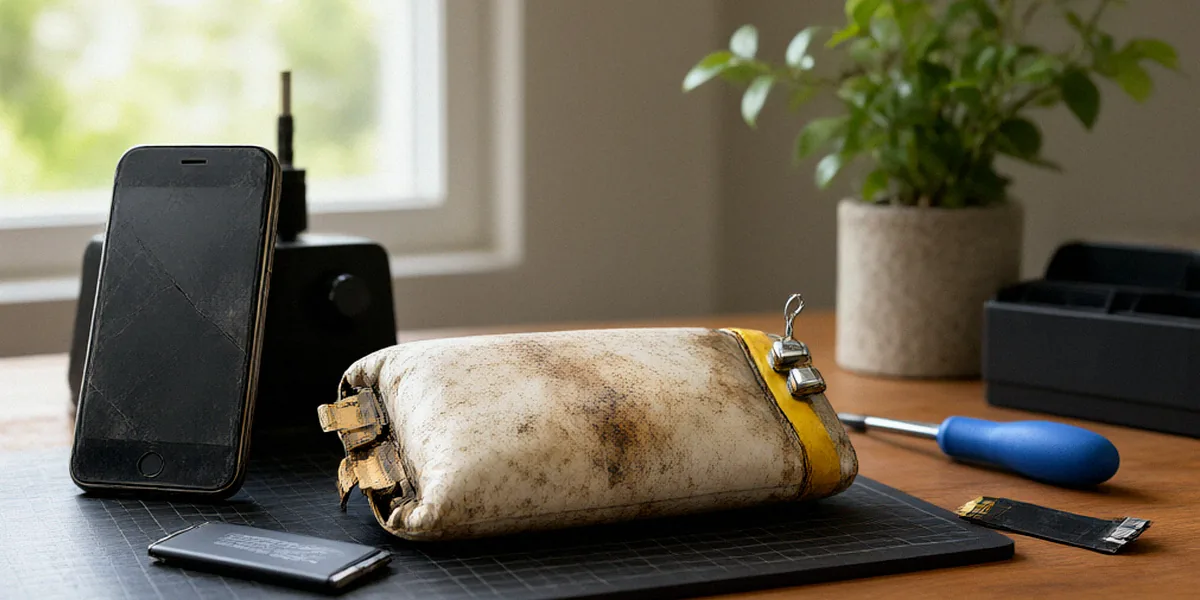
- Physical swelling, bulging, or a soft, spongy feel when squeezed gently.
- Voltage reads below 2.5V on a multimeter for a lithium-ion cell.
- The phone powers on briefly then dies within seconds.
Safety First: Essential Precautions Before You Start
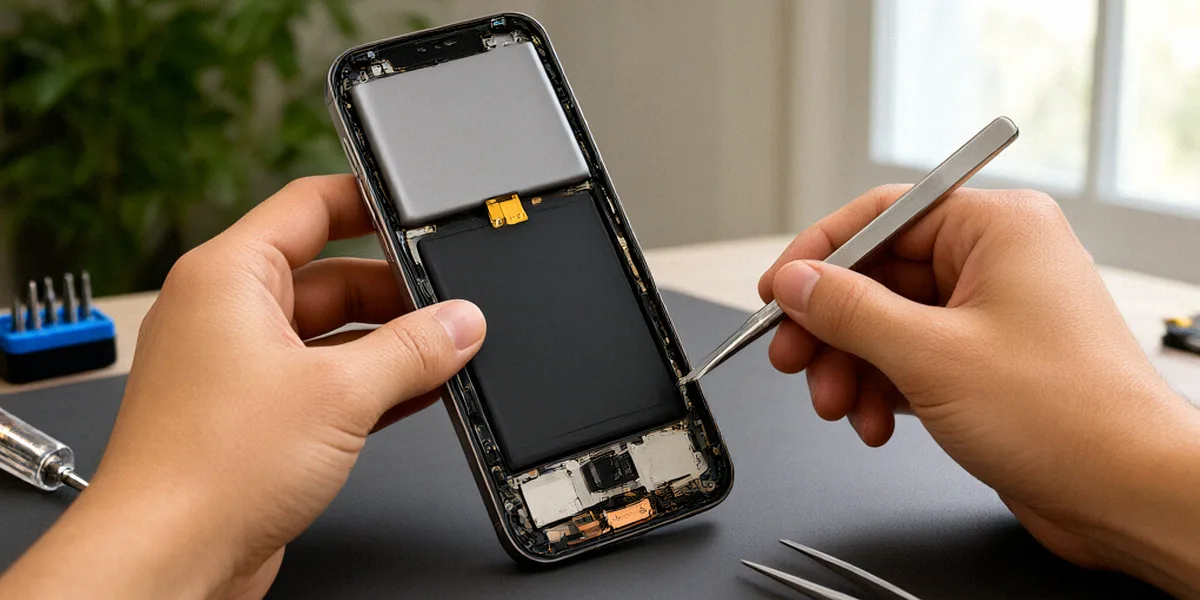
We want to be blunt here: reviving old batteries carries real risk. A swollen lithium cell can vent, catch fire, or in rare cases explode. Never puncture, bend, or apply heat to a suspect battery. Always wear nitrile gloves and safety glasses when handling unknown cells, and work on a non-flammable surface away from curtains or carpets.
Recognising a Dangerous Battery
If a battery is visibly swollen, leaking a sweet-smelling fluid, or has corroded terminals with green or white residue, stop immediately. Do not attempt revival. In the UK, WEEE recycling regulations require proper battery disposal, and most local council tips have dedicated battery drop-off points. Many supermarkets and electrical retailers also provide collection bins at the front of the store.
Tools and Environment You’ll Need
- A digital multimeter (a basic £10 model is fine).
- Nitrile gloves and safety glasses.
- A low-voltage bench power supply or a slow charger rated under 500mA.
- A fireproof LiPo-safe bag or a metal tin with a lid.
- A well-ventilated room — avoid sheds or garages with damp air.
Avoid cheap unbranded chargers from online marketplaces. Many lack proper overvoltage protection and can push a fragile cell into thermal runaway.
Step-by-Step: How to Revive a Seemingly Dead Battery
Before you give up on a battery, it’s worth trying a gentle revival. The goal is to nudge the cell back above its minimum threshold voltage so a normal charger recognises it again.
The Slow Charge Method
- Remove the battery from the phone and check voltage with a multimeter.
- If it reads between 2.5V and 3.0V, it may be recoverable. Below 2.0V, treat it as unsafe.
- Connect a bench power supply set to 3.7V and limit current to 100mA.
- Leave it for 20–30 minutes, checking temperature every few minutes. If it warms noticeably, disconnect immediately.
- Once voltage climbs above 3.2V, transfer the battery to the original phone charger.
You may have heard of the “freezer trick” — sealing a battery in a bag and freezing it overnight. We don’t recommend it. While some hobbyists report short-term gains, condensation and thermal shock can damage the cell further and create a genuine fire hazard.
When and How to Try a Battery Reconditioner
For NiMH packs like those in the Nokia 3310, a dedicated reconditioner with a discharge cycle can sometimes restore lost capacity. These devices cycle the battery through several charge/discharge rounds. For lithium-ion cells like the T610’s BST-25, reconditioners offer little benefit and can be risky — lithium chemistry doesn’t respond to the same treatment as NiMH.
Testing and Replacing: When Revival Isn’t Enough
If the battery refuses to hold charge, replacement is the practical route. Original Sony Ericsson batteries are now rare, so aftermarket options are the norm.
Using a Multimeter Safely
Set your multimeter to DC voltage, touch the red probe to the positive terminal and the black to the negative, and read the value. A healthy lithium cell should sit around 3.7–4.2V when charged. Anything below 3.0V suggests the cell has been over-discharged. Always test with the battery out of the phone and on a non-conductive surface.
Sourcing Compatible Batteries in the UK
- eBay and Amazon: Plenty of BST-25 compatible cells, but check seller ratings carefully.
- Specialist retro phone shops: Sites like Retromobile and similar UK-based stores stock tested replacements.
- Car boot sales: Sometimes you’ll find a donor phone with a usable battery inside for a couple of pounds.
Bringing Your Retro Phone Back to Life: Themes, Ringtones, and More
Once your Sony Ericsson T610 powers on, the real fun begins. Loading phone themes and ringtones is what transforms a dead handset into a proper nostalgia machine.
Finding and Installing Phone Themes
The T610 supports themes via Bluetooth, infrared, or a USB data cable. You’ll find archived theme packs on retro mobile forums and fan sites. Once transferred, themes change the wallpaper, menu colours, and icon style — a huge deal back in 2003.
Classic Ringtones for Feature Phones
Nothing brings back memories like the Nokia tune or Sony Ericsson’s default melodies. You can source MIDI files online and transfer them the same way. Popular retro ringtones include:
- The Nokia tune (Gran Vals by Francisco Tárrega).
- Sony Ericsson’s “Ride of the Valkyries” and default polyphonic themes.
- Classic monophonic tones from the late 1990s.
Long-Term Care for Your Retro Mobile Battery
Getting a retro phone working is one thing — keeping it that way is another. UK conditions can be brutal on old electronics.
Storage Best Practices
- Store batteries at 40–50% charge, never fully depleted.
- Avoid damp garages and cold lofts — condensation kills cells.
- Cycle the battery every three to six months with a partial charge.
- Keep away from direct sunlight and radiators.
When to Retire a Battery for Good
If a battery swells, leaks, or repeatedly fails to hold charge after revival attempts, retire it. Take it to a council WEEE drop-off point or a retailer battery bin. Never bin it with household waste.
FAQ
Can a completely dead Sony Ericsson T610 battery be revived?
Sometimes, if the cell hasn’t dropped below 2.0V. A slow charge with a bench power supply at 3.7V and 100mA can nudge it back above the threshold, but many BST-25 cells are simply too far gone after 20 years.
Is the freezer trick safe for old phone batteries?
We don’t recommend it. Condensation and thermal shock can damage the cell and create a fire risk. There are safer revival methods that don’t involve extreme temperatures.
Where can I buy a replacement BST-25 battery in the UK?
eBay, Amazon, and specialist retro phone shops are your best bets. Original Sony Ericsson stock is rare, so aftermarket cells are the standard option.
How should I dispose of a swollen battery in the UK?
Under WEEE regulations, batteries must not go in household waste. Take them to a local council recycling centre or a supermarket battery collection bin.
Can I still load themes and ringtones onto a T610?
Yes. Bluetooth, infrared, and USB data cables all work. Archived theme packs and MIDI ringtones are widely available on retro mobile forums.
Reviving an old phone battery is a rewarding but cautious hobby. With the right safety gear, a bit of patience, and a realistic expectation that not every cell will come back, you can breathe new life into a forgotten Sony Ericsson T610 or Nokia 3310. We’d love to hear your own revival stories — drop a comment below and tell us which retro mobile you brought back from the dead.